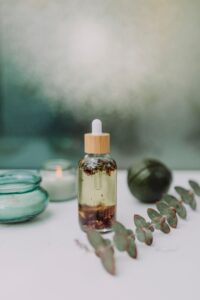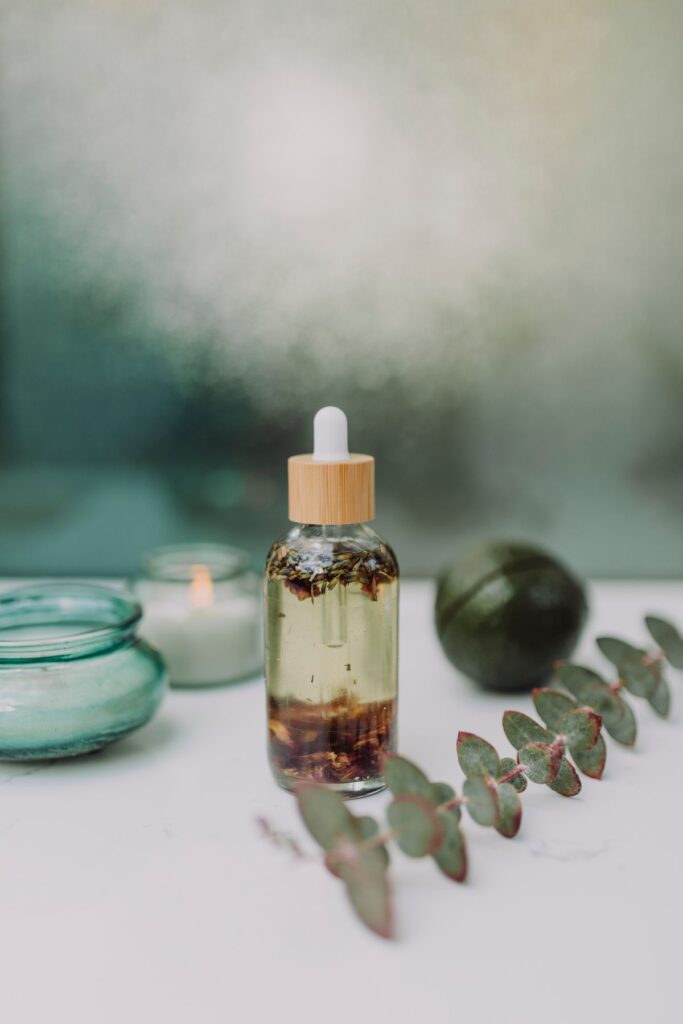
Essential oils are concentrated plant extracts, produced through distillation or cold-pressing, and have a long history of use in perfumery, traditional medicine systems, and religious ceremony across many cultures, from ancient Egyptian embalming practices to Ayurvedic tradition in India.
How They’re Commonly Used
- Diffusing — dispersing scent into a room via a water-based diffuser
- Topical application — always diluted in a carrier oil, never applied undiluted to skin
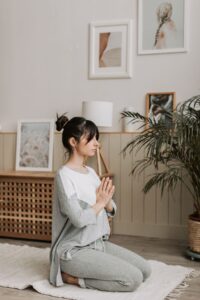
- Ritual use — often incorporated into meditation or journaling routines as a grounding scent cue
An Important Caveat
Essential oils are not regulated as medicine, and while aromatherapy research exists, it is limited and mixed. Essential oils should never be treated as a treatment or cure for any medical condition, should never be ingested without professional guidance, and should always be diluted before any skin contact. Consult a healthcare provider before use if you are pregnant, nursing, or have any health condition.
Beginner-Friendly Scents
Lavender, sweet orange and frankincense are commonly recommended starting points, valued largely for their pleasant, widely-tolerated scent profiles rather than any verified therapeutic claim.
Recommended for This Practice
A simple ultrasonic diffuser and a small starter set of pure, third-party-tested oils is the most common way to begin. See our Practices guide hub for more.
Continue Your Reading Path
If this guide was useful, these are natural next steps — each one builds on a theme touched on above.
- How Incense Has Been Used Across Cultures
- A Beginner’s Guide to Crystal Healing Stones
- Meditation vs. Visualization: What’s the Difference?
- Browse the full topic hub
You’ll also find a short list of related products above, chosen only after the educational content — never before it.