The term “Akashic Records” refers to a concept found in Theosophical and New Age thought: the idea of an energetic archive said to hold the record of every soul’s thoughts, experiences and choices. The word “akasha” comes from Sanskrit, where it broadly means “ether” or “space.”
Where the Idea Comes From
The modern concept was popularized in the late nineteenth and early twentieth centuries by figures within the Theosophical Society, including Helena Blavatsky, and was later developed by writers such as Edgar Cayce. The idea draws loosely on older philosophical traditions that describe a kind of universal memory or field of consciousness, though the specific term and framework are relatively modern.
How People Approach the Records Today
Many practitioners describe accessing the Akashic Records through meditation, guided visualization, or structured reading sessions, often using a set of ritual phrases or intentions to “open” the records before a session and “close” them afterward. It is typically framed as a reflective tool rather than a predictive one — something closer to structured journaling or introspection than fortune-telling.
It is worth being clear-eyed here: the Akashic Records are a belief system, not a scientifically established phenomenon. We present them the way we present any contemplative practice — as something people find personally meaningful, not as verified fact.
Common Reasons People Explore This Practice
- Processing recurring patterns or questions in their life
- Structured self-reflection with a clear beginning and end
- A sense of connection to something larger than day-to-day concerns
Getting Started
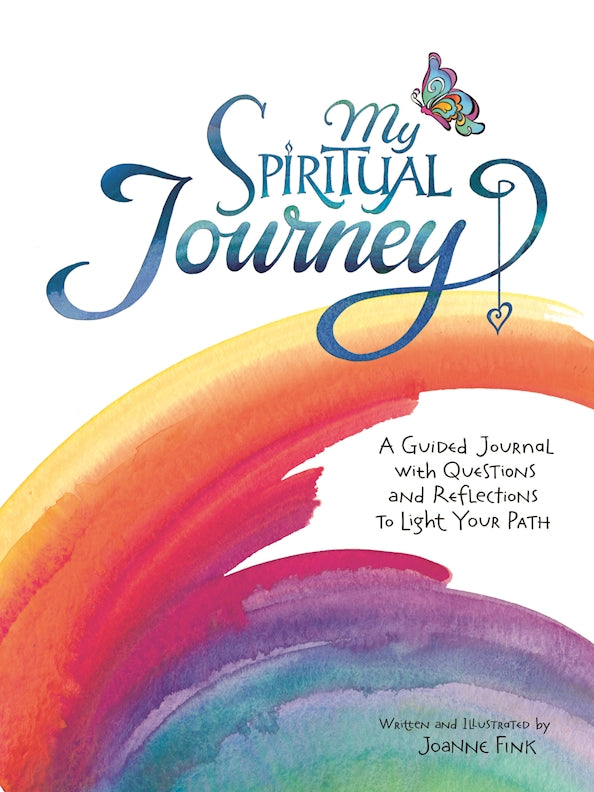
If you’re curious, the lowest-friction starting point is usually a guided meditation designed for this purpose, paired with a dedicated journal to record what comes up. There is no special equipment required.
Recommended for This Practice
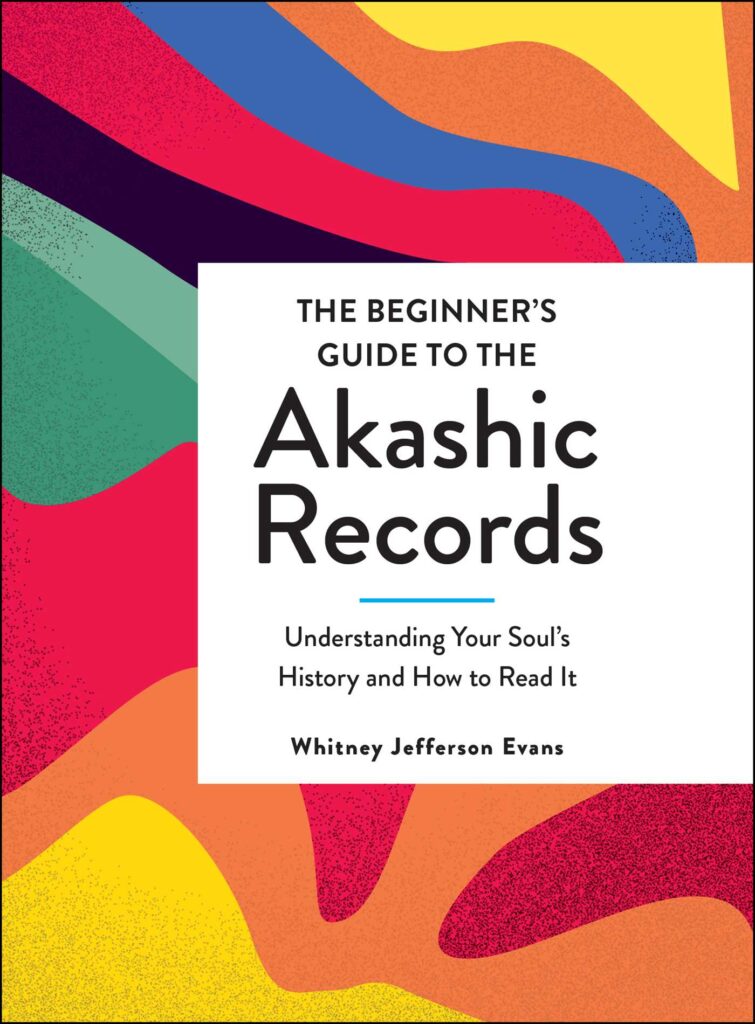
Many beginners find it easier to stay consistent with a dedicated notebook set aside specifically for this practice, along with an introductory book that explains the historical context in more depth. A simple, unscented candle can also help mark the start and end of a session, though it isn’t required. See our Akashic Records guide hub for a curated list of recommended reading.
Continue Your Reading Path
If this guide was useful, these are natural next steps — each one builds on a theme touched on above.
- How to Start a Spiritual Journal
- Astrology for Beginners: Reading Your Birth Chart
- The Beginner’s Guide to Spiritual Practices
- Browse the full topic hub
You’ll also find a short list of related products above, chosen only after the educational content — never before it.