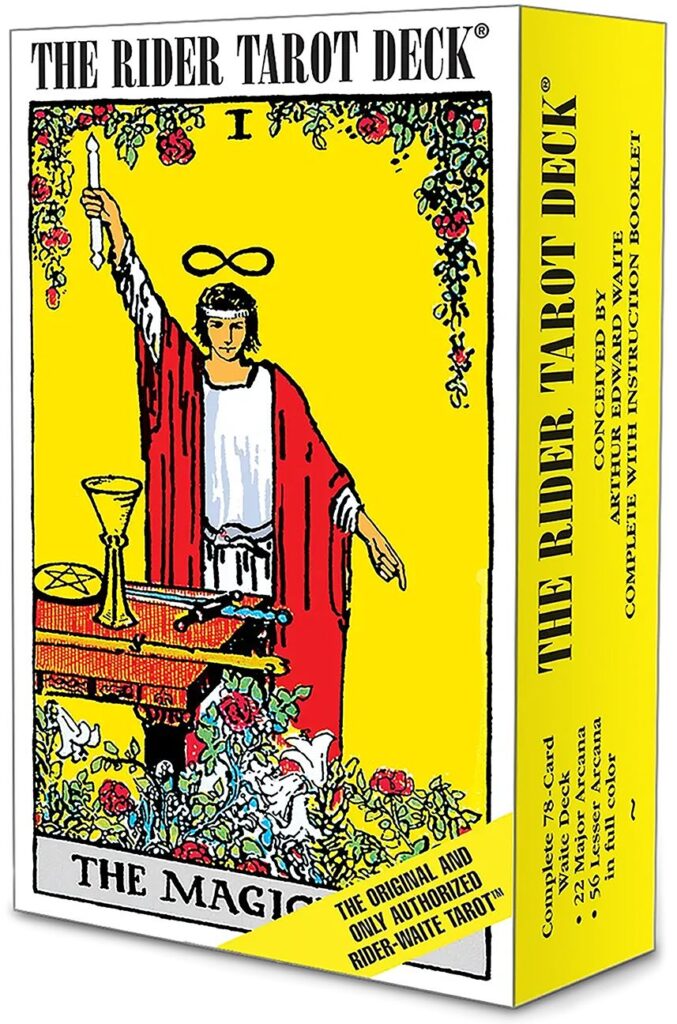
Journaling as a reflective tool has a long history, from personal diaries to religious traditions of written prayer and confession. “Spiritual journaling” simply applies that same practice to questions of meaning, values, and inner life, often alongside other practices like tarot, meditation or moon rituals.
Why It Helps
Writing by hand slows down thinking in a way that’s often clarifying. Many practitioners believe that the act of externalizing a thought — putting it on paper — creates useful distance from it, making patterns easier to notice over time.
Simple Prompts to Start With
- What feeling is most present for me right now, and where do I notice it in my body?
- What pattern have I noticed repeating in my life lately?
- What would I do differently if I weren’t afraid of getting it wrong?
- What am I grateful for today, however small?
Building the Habit
Consistency matters more than length. Five honest minutes a day will do more for a journaling practice than an occasional hour-long session. Many people pair journaling with another ritual — morning coffee, an evening candle, a tarot draw — to help it stick.
Recommended for This Practice
A dedicated notebook that feels good to write in — rather than a repurposed notepad — tends to improve consistency. A guided journal with built-in prompts can also help on days when you’re not sure where to start. See our Guides library for more journaling structures.
Continue Your Reading Path
If this guide was useful, these are natural next steps — each one builds on a theme touched on above.
- Moon Rituals Explained
- What Are the Akashic Records?
- Astrology for Beginners: Reading Your Birth Chart
- Browse the full topic hub
You’ll also find a short list of related products above, chosen only after the educational content — never before it.