Mindfulness, at its core, means paying attention to the present moment without judgment. The term has roots in Buddhist meditation practice, and secular adaptations — like Jon Kabat-Zinn’s Mindfulness-Based Stress Reduction program, developed in the late 1970s — have been studied fairly extensively for their effects on stress and attention.
Mindfulness Doesn’t Require a Cushion
While formal seated meditation is one entry point, mindfulness can also be practiced during ordinary activities — washing dishes, walking, or drinking a cup of tea — by simply directing full attention to the sensory experience of the task.
Three Small Practices to Try
- The one-minute pause: before starting a new task, take one minute to notice your breath and posture.
- Mindful eating: eat one meal a day without a screen, noticing texture, flavor and pace.
- Sensory check-in: name one thing you can see, hear, and feel, wherever you are.
What Mindfulness Is Not
Mindfulness is not the same as relaxation, and it doesn’t require clearing your mind of thought. It is simply about noticing what is present — including difficult thoughts and feelings — without immediately reacting to them.
Recommended for This Practice
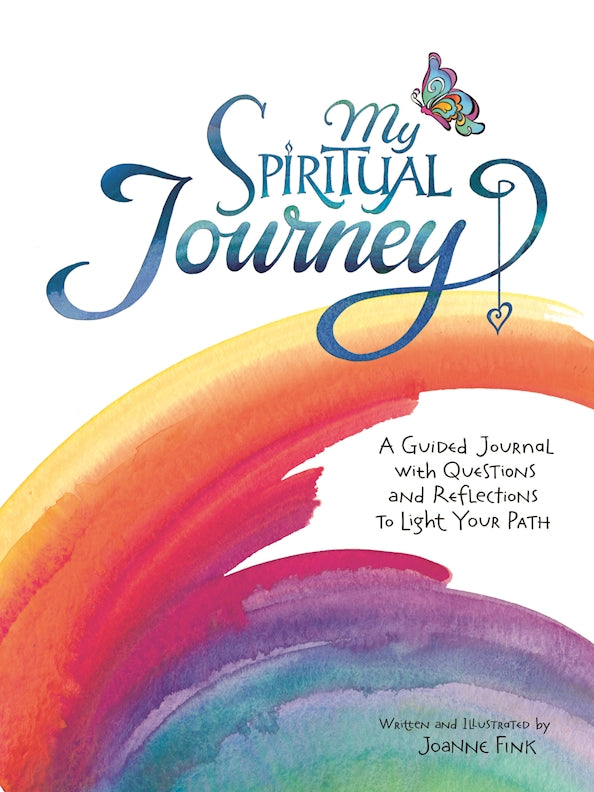
A simple guided mindfulness journal or a basic meditation timer app can help build consistency. Explore related practices in our Practices guide hub.
Continue Your Reading Path
If this guide was useful, these are natural next steps — each one builds on a theme touched on above.
- Meditation vs. Visualization: What’s the Difference?
- How to Start a Spiritual Journal
- The Beginner’s Guide to Spiritual Practices
- Browse the full topic hub
You’ll also find a short list of related products above, chosen only after the educational content — never before it.