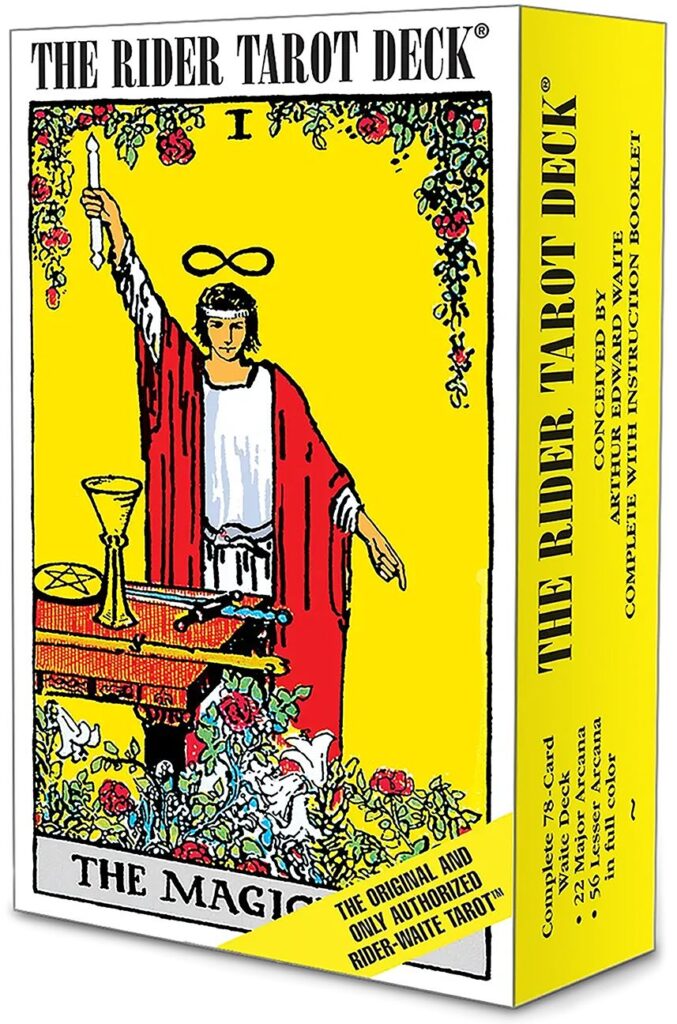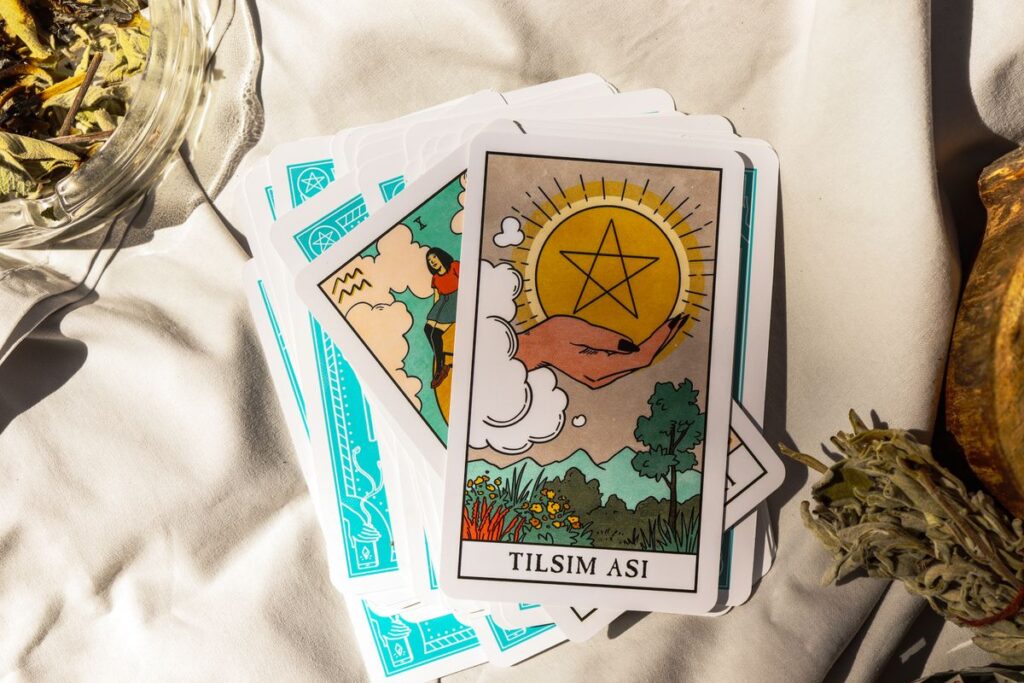
Oracle decks are often confused with tarot, but they follow different rules — or rather, no fixed rules at all. Where tarot has a standardized 78-card structure with established meanings, an oracle deck can have any number of cards, any theme, and meanings defined entirely by its creator.
How Oracle Decks Differ From Tarot
Because there’s no universal structure, oracle decks are often built around a specific theme — affirmations, animal symbolism, moon phases, or seasonal cycles, for example. This makes them more approachable for complete beginners, since each deck comes with its own guidebook and doesn’t require memorizing a broader system.
What to Look for in a First Deck
- A clear, well-written guidebook — the artwork matters less than the clarity of the accompanying text
- Imagery that feels calming or resonant to you personally, since you’ll be looking at it often
- A theme that matches your intention, whether that’s daily affirmation, seasonal reflection, or general guidance
How to Use an Oracle Deck
Many practitioners draw a single card each morning as a reflection prompt for the day, rather than doing multi-card spreads. This single-card approach is often the easiest way to build a consistent practice without it feeling like a chore.
A Note on Expectations
Oracle cards are best approached as a prompt for reflection, similar to a daily quote or journaling prompt — not as a source of certainty about future events.
Recommended for This Practice
Look for a themed oracle deck with strong reviews for its guidebook clarity, and consider pairing it with a small tray or cloth for drawing cards. Explore more in our Guides library.
Continue Your Reading Path
If this guide was useful, these are natural next steps — each one builds on a theme touched on above.
- Tarot for Beginners
- Moon Rituals Explained
- How to Start a Spiritual Journal
- Browse the full topic hub
You’ll also find a short list of related products above, chosen only after the educational content — never before it.